
Contact
PHOTOGRAPHY
PREPARING FOR BIRTH
BLOG
SERVICES
About
HOME
read the blog
SERVING Nashville and surrounding areas

How Counterpressure Can Help During Back Labor
How can counterpressure help future moms during back labor? Counterpressure cannot stop contractions or cure back labor, but it can help a woman deal with intense pain. As a doula, I’ve seen many women find relief from lower-back counterpressure. When used in combination with movement, for example, a change in position, breathing, and emotional support, counterpressure can be an effective method. Studies have shown that support during labor and non-pharmacological methods of pain relief are helpful during childbirth. Discover how counterpressure can provide comfort and support during back labor.
Understanding Back Labor

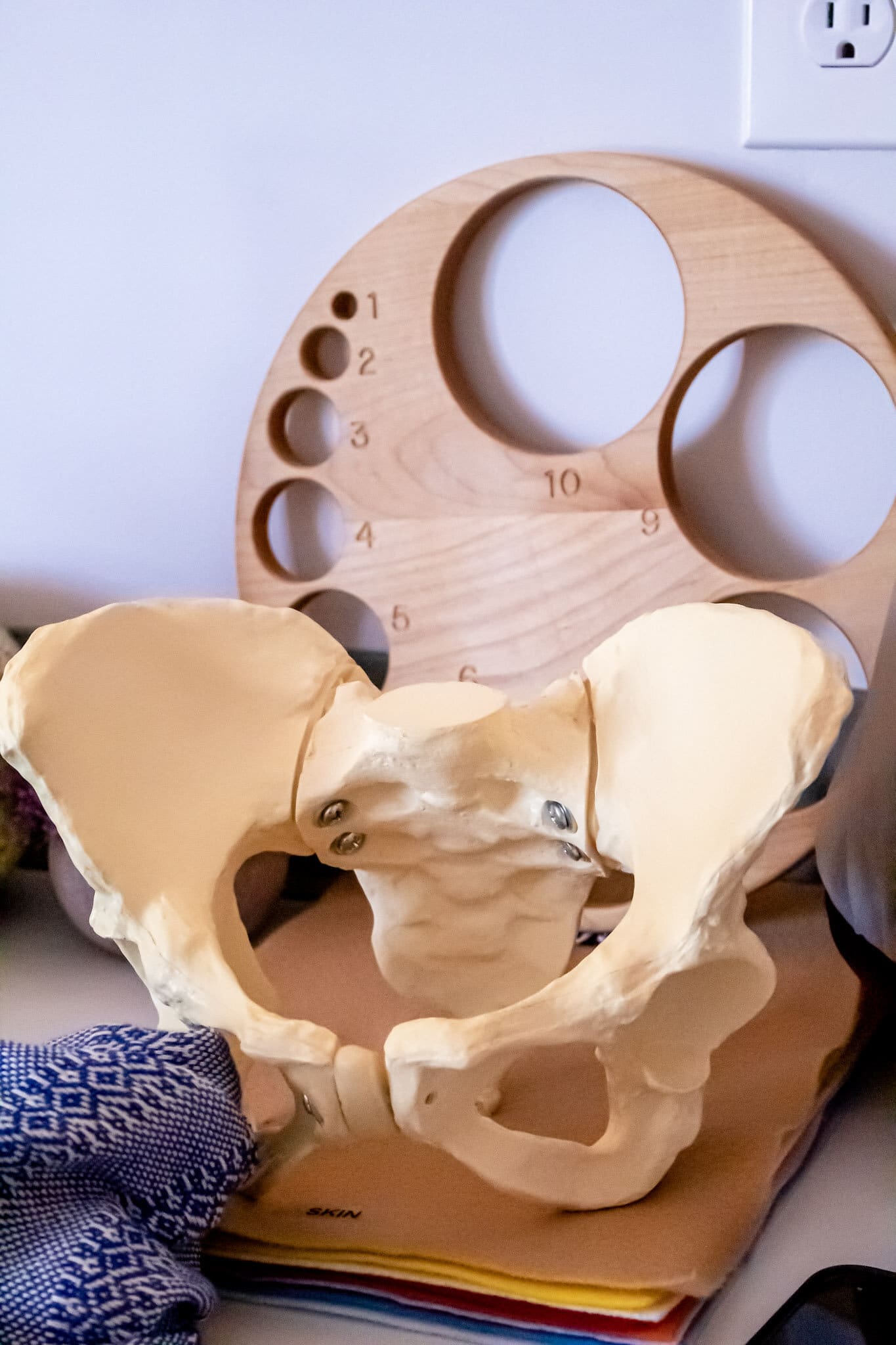
Every labor is unique, and some women experience back labor even when their baby is in an optimal position. Back labor refers to severe pain or discomfort felt primarily in the lower back during labor contractions. It is commonly associated with babies in an “Occiput posterior (OP)” position, often called the “sunny-side-up” position. It is when the back of the baby’s head presses against the mother’s sacrum. There are symptoms that every mother may look forward to. These include:
- Constant lower back pain
- Pain that intensifies during contractions
- Pressure around the sacrum or tailbone
- Difficulty finding a comfortable labor position
- Increased fatigue from coping with persistent discomfort
As doulas, we don’t diagnose the cause of back labor. Instead, we focus on helping families manage discomfort using evidence-based comfort measures while supporting the care plan established by their healthcare provider.
Using Counterpressure to Cope With Labor Pain
Counterpressure is a hands-on comfort technique. It involves applying firm, steady pressure to the sacrum, hips, or lower back during contractions. Unlike massage, which often uses gentle, rhythmic strokes, counterpressure applies sustained pressure. Thus, it is used to relieve the area where the laboring mother feels the most pressure.
Many mothers instinctively ask someone to “push harder” on their lower back during contractions. This isn’t unusual. For many, that firm pressure temporarily offsets the intense sensation created by the baby’s position and the powerful work of the uterus. As doulas, we continuously adjust the location, angle, and intensity of pressure. Of course, it’s based on the mother’s feedback because every labor unfolds differently.
The Science Behind Counterpressure During Labor
Researchers continue to study how non-pharmacological pain relief works, but several theories help explain why counterpressure may be effective. Several factors may contribute to its pain-relieving effects, including:
1. Gate Control Theory
Gate Control Theory suggests that the spinal cord helps regulate how pain signals are transmitted to the brain. During labor, firm counterpressure activates sensory nerves that carry touch and pressure signals. These signals may help reduce or modify the transmission of pain signals. As a result, contractions feel less intense or more manageable.
2. Reduced Muscle Tension
Pain often causes muscles to tighten. Unfortunately, tense muscles can make coping with contractions more difficult. Applying steady pressure to the lower back, hips, or sacrum may help relax tense muscles. It also reduces discomfort associated with muscular strain.
3. Improved Sensory Input
Focused touch provides the brain with an additional strong sensory signal. This may shift attention away from the contraction’s intensity. Counterpressure is therefore best viewed as a comfort measure, rather than a way to stop contractions or eliminate pain.
4. Endorphin Release
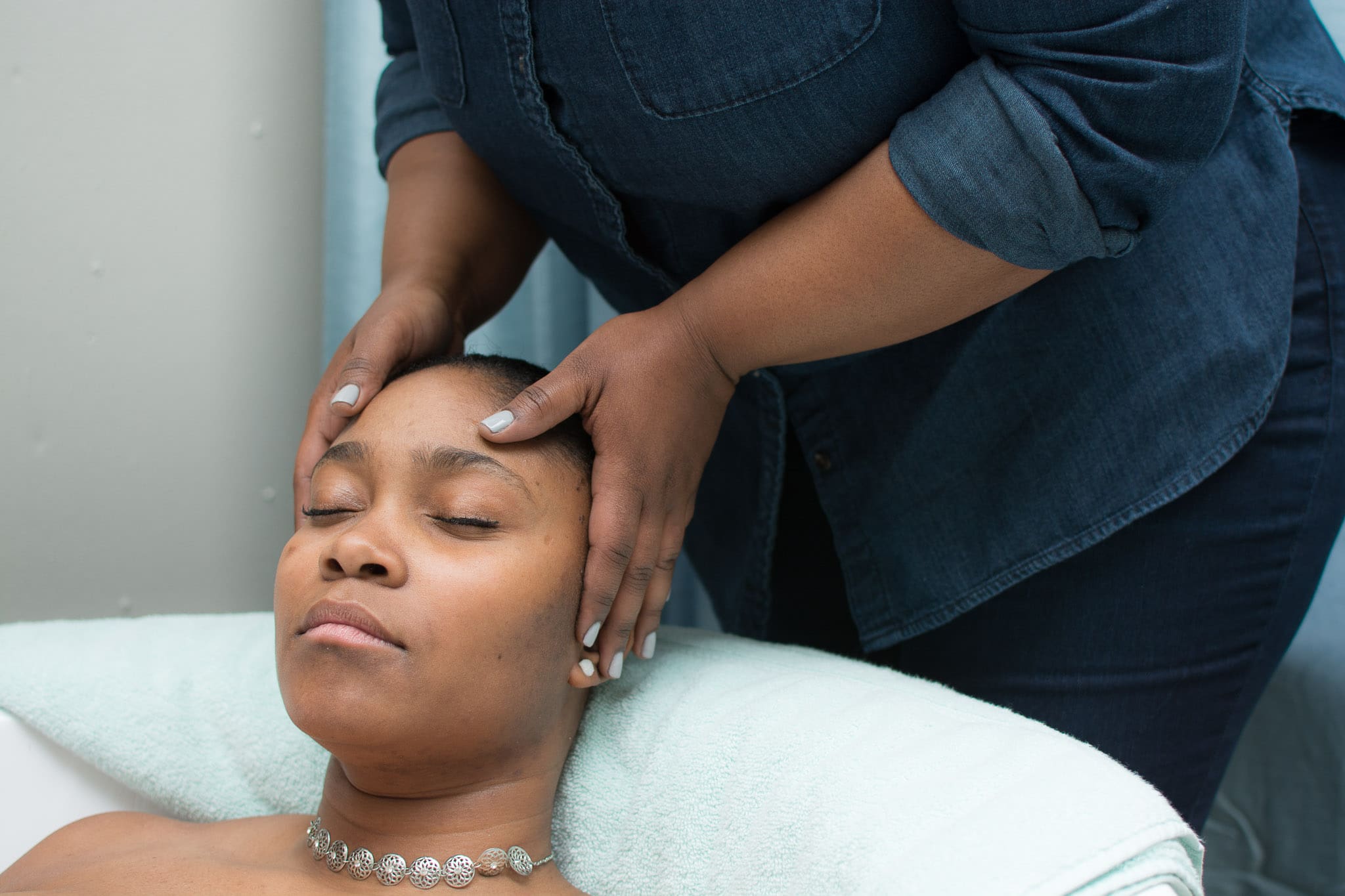
Massage and other forms of supportive touch may encourage the body’s natural pain-relieving response. These are natural chemicals that can help reduce the perception of pain and promote relaxation. This includes the release of endorphins. During labor, it gives the mother a greater sense of control and emotional support.
5. Movement and Positioning
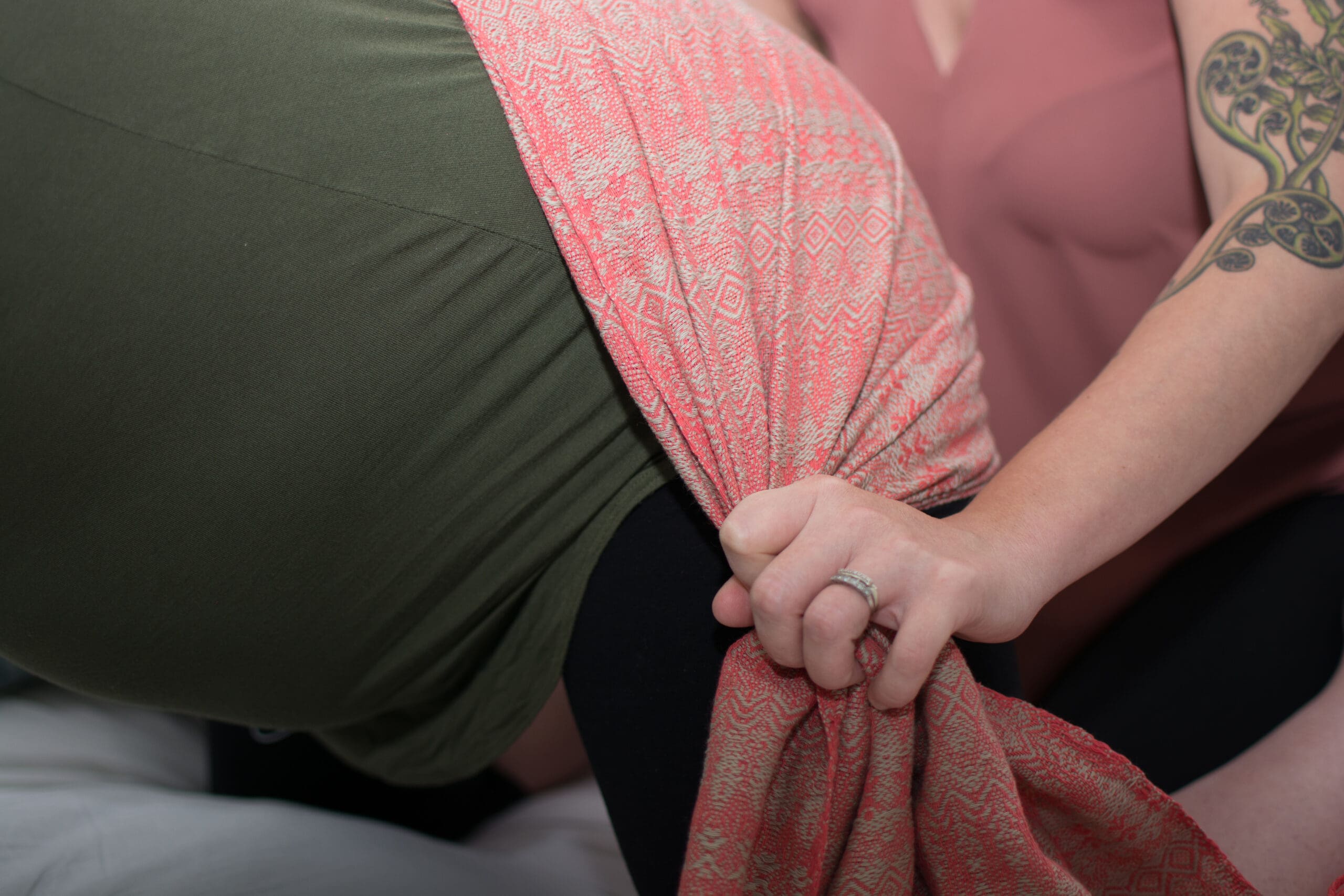
Counterpressure is often used alongside position changes. These may include rocking, leaning, or hands-and-knees positions. It may improve comfort and help the birthing person respond to labor sensations, with support from your professional doula.
Counterpressure as Part of a Complete Comfort Approach
Evidence suggests that no single comfort measure works for everyone. Instead, doulas combine multiple coping techniques. These approaches support physiologic labor by helping mothers respond to contractions with confidence rather than fear. Some of the best approaches include:
- Frequent position changes
- Upright movement
- Birth ball exercises
- Rebozo techniques (Your Birth Story’s doula, Tina-Marie, is a professional trained in Rebozo technique)
- Hydrotherapy
- Breathing and relaxation
- Guided visualization
- Emotional reassurance
- Continuous encouragement
Teaching Partners to Use Counterpressure
Alongside these comfort strategies, one of my favorite moments as a doula is watching a partner realize they can genuinely help. Many partners worry they’ll feel helpless during labor, but learning counterpressure often changes that. Counterpressure isn’t about doing it perfectly. It’s about responding to the laboring mother’s needs in real time. I encourage partners to:
- Ask where the pressure feels best.
- Apply firm—not painful—pressure during contractions.
- Stay flexible as labor evolves.
- Listen to verbal and nonverbal feedback.
- Take breaks to avoid fatigue during longer labors.
The Doula’s Role During Back Labor
One of the most valuable aspects of doula support is continuous presence. Unlike clinical staff who may care for multiple patients, a doula remains focused on one laboring family. We observe how labor changes from moment to moment and adapt comfort measures accordingly.
Counterpressure is not a one-size-fits-all technique. As doulas, we can adjust the approach based on each mother’s needs and preferences. This may include changing hand placement, the direction and amount of pressure, timing during contractions, labor positions, and how a partner provides support.
It is important to note that sometimes pressure directly over the sacrum works best. Other times, double hip squeezes, side-lying release techniques, lunges, pelvic movement, or hands-and-knees positioning provide greater comfort. Our role as your trusted doula is not simply to perform techniques but to help mothers discover what works for their unique labor.
When families understand the evidence behind comfort techniques like counterpressure, they can make more informed decisions. With compassionate support throughout labor, they can also approach birth with greater confidence.
Final Say
Counterpressure does not eliminate contractions or guarantee pain relief. Instead, it can be one practical tool that helps a laboring person manage pain. Mothers can stay focused and feel more supported and in control during labor.
At Your Birth Story, we provide compassionate, evidence-informed doula support for families preparing for birth in Nashville and surrounding areas. From comfort techniques like counterpressure to continuous emotional and physical support, you don’t have to navigate labor alone.
Ready to feel more confident and supported for your birth? Connect with Your Birth Story and learn how doula support can help you prepare for the birth you envision.


PLEASE COMMENT BELOW