
Contact
PHOTOGRAPHY
PREPARING FOR BIRTH
BLOG
SERVICES
About
HOME
read the blog
SERVING Nashville and surrounding areas

Boob Flu & Mastitis: Real Advice from Your Nashville Doula
In my years of experience as a birth doula, I’ve seen many things that can bring discomfort to both moms and their babies. Because of this, I’ve supported many mothers through the real, raw side of postpartum recovery—and I’ve come to understand that breastfeeding isn’t always easy. While it’s often described as a beautiful bonding experience, many moms I work with face unexpected challenges like boob flu and mastitis.
In today’s article, I’ll clearly explain boob flu and mastitis, including their symptoms, common causes, effective treatment options, and practical prevention tips. As an experienced doula, I believe that with the right information and trusted support, mothers can feel more confident, informed, and empowered throughout their breastfeeding journey.
Understanding Boob Flu
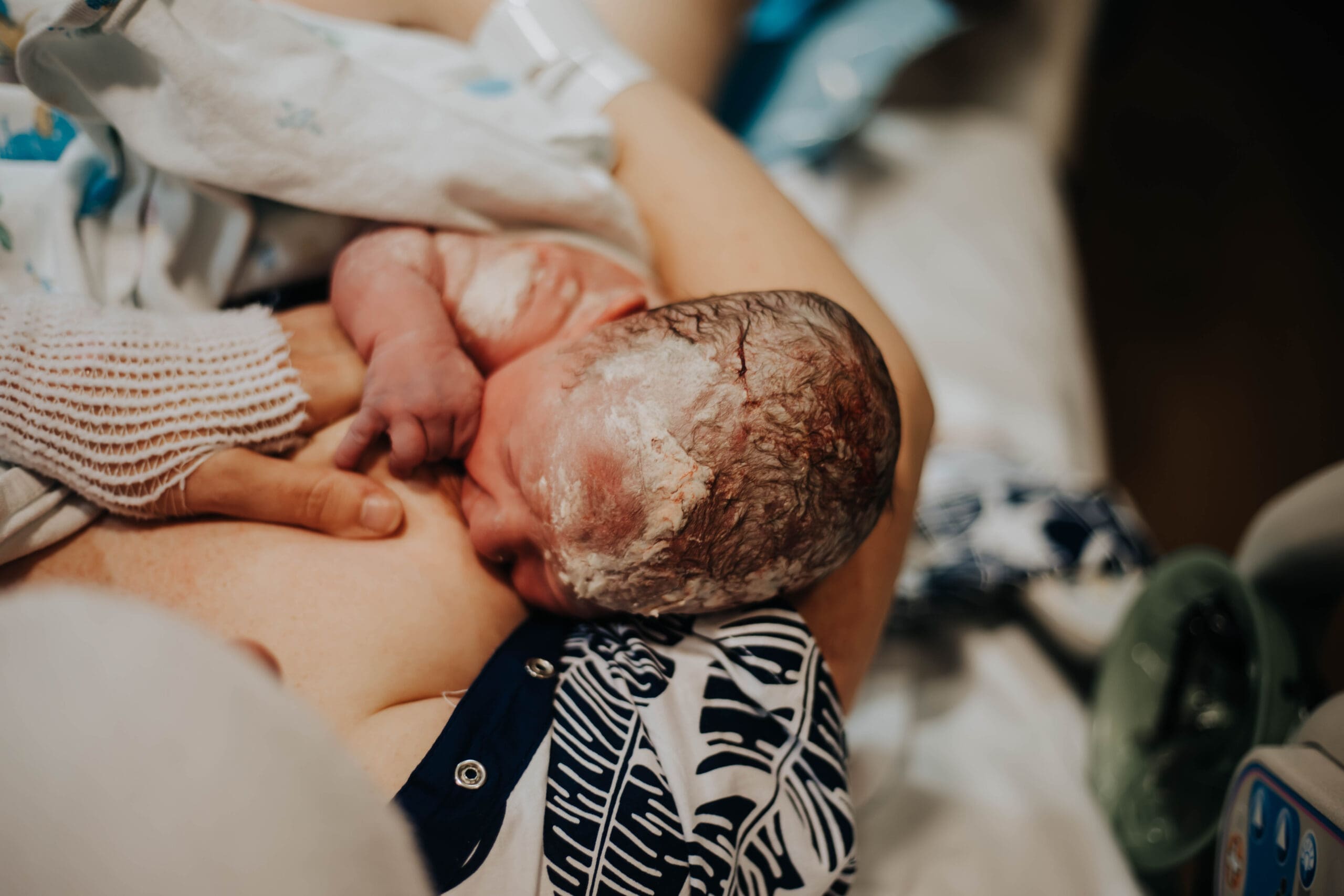
Why do breastfeeding moms feel sick? “Boob flu” isn’t a medical diagnosis, but it’s a term many moms use to describe flu-like symptoms that come with breast inflammation. It is often linked to early or mild stages of Mastitis. If you’ve ever felt suddenly feverish, achy, and completely drained while breastfeeding, you’re not imagining things. I’ve seen this happen to strong, healthy moms who were trying to nourish their babies.
The good news? With the right knowledge and support, you can manage it—and even prevent it. From my experience as a doula, along with evidence from studies, these are the signs that often indicate boob flu. These symptoms can appear quickly and feel overwhelming, especially during the already exhausting newborn stage.
Common Boob Flu Symptoms:
- Sudden fatigue or body aches
- Chills or fever
- Breast tenderness or warmth
- Headache
- General feeling of being unwell
Mastitis in Breastfeeding Moms
Many moms I’ve cared for often confuse mastitis with regular breast engorgement or “boob flu.” However, the difference usually comes down to how severe the symptoms are and how long they last. Recognizing it early can prevent complications and make recovery much smoother.
So, what is Mastitis? It is an inflammation of breast tissue that can sometimes become infected. It commonly occurs in breastfeeding mothers when milk isn’t fully drained from the breast. Then, leading to blocked ducts and bacterial growth. If untreated, mastitis can worsen and may require medical care, so early intervention is key.
Mastitis Symptoms to Watch For:
- Painful, swollen breast
- Redness (often in a wedge-shaped pattern)
- Fever (usually over 38.5°C / 101.3°F)
- Flu-like symptoms (similar to boob flu)
- A hard lump or clogged duct

What Causes Boob Flu & Mastitis?
Understanding the root causes can help you prevent recurrence and manage symptoms effectively. As a doula, I often remind moms: “Your body is adjusting just as much as your baby is learning.” These breastfeeding challenges are common—and with the right support, they are absolutely manageable.
Common Causes:
- Incomplete Breast Emptying – This is the number one cause I encounter. When milk isn’t fully removed from the breast, it creates pressure and inflammation.
- Poor Latch or Ineffective Sucking – A shallow latch is one of the most overlooked causes. When your baby isn’t latched deeply, milk doesn’t drain evenly from the breast.
- Clogged Milk Ducts – Clogged or blocked ducts often lead to what many moms call boob flu—that sudden wave of body aches, chills, and fatigue.
- Engorgement and Oversupply – An overfull breast can quickly become a problem if milk isn’t released regularly. Engorgement stretches the breast tissue, making it harder for milk to flow.
- Cracked nipples – Cracked or sore nipples are more than just painful. It can allow bacteria (most commonly Staphylococcus aureus, according to clinical studies) to enter breast tissue.
- Pressure on the Breasts – This is a cause many moms don’t expect. External pressure can block milk flow and lead to inflammation.
Real Doula Advice: Treating Boob Flu and Mastitis
Dealing with boob flu or mastitis can feel discouraging, especially when you’re already navigating postpartum recovery. Many moms feel guilt or frustration—but this is not a failure. As a Nashville doula, my role is to remind you: “You are doing an incredible job.” Breastfeeding challenges are common, and getting support is part of the journey—not a sign of weakness.
If you’re experiencing symptoms, early action can make a huge difference.
1. Keep Milk Flowing
Continue breastfeeding or pumping frequently. This helps clear blockages and reduce inflammation.
Start feeding on the affected side first for better drainage.
2. Improve Latch & Position
A deep, proper latch ensures effective milk removal. Don’t hesitate to seek help from a lactation consultant or doula.
3. Use Warm & Cold Therapy
- Warm compress before feeding to encourage flow
- Cold compress after feeding to reduce swelling
4. Rest & Hydrate
Your body needs energy to heal. Prioritize rest—even short naps—and drink plenty of fluids.
5. Gentle Massage
Massage the affected area toward the nipple during feeding or pumping to help clear clogged ducts.
6. Pain Relief
Over-the-counter medications like Ibuprofen can help reduce pain and inflammation (consult your doctor first).
7. When to Call a Doctor
Antibiotics may be needed if an infection develops. However, you must keep in mind that seeking medical care is important if:
- Symptoms persist beyond 24–48 hours
- Fever worsens
- You notice pus or unusual discharge

Final Thoughts: You’re Not Alone!
Boob flu and mastitis can catch many new moms off guard, but with the right information, support, and early action, they’re manageable. Seeking guidance from a professional doula is an empowering step. By staying informed about symptoms, breastfeeding complications, and postpartum breast care, you can reduce risks and feel more in control. Most importantly, give yourself grace—healing and nurturing take time, and with the right support, you can move through these challenges with confidence.



PLEASE COMMENT BELOW