
Contact
PHOTOGRAPHY
PREPARING FOR BIRTH
BLOG
SERVICES
About
HOME
read the blog
SERVING Nashville and surrounding areas

The Fourth Trimester: Essential Postpartum Recovery Guide
The first 12 weeks after delivery are often called the “fourth trimester.” During this time, the mother heals physically and emotionally while adjusting to life with her newborn. As a doula, I often remind mothers that postpartum recovery is not about “bouncing back.” It is about healing, resting, and learning how to care for yourself while caring for your baby.
In today’s blog, I want to share an essential postnatal recovery guide. Aims to help you understand what to expect during the fourth trimester. Furthermore, recognizing the value of this healing period is for your body, mind, and emotional well-being. Remember, every birth story and healing journey is different.
What Is the Fourth Trimester?
The fourth trimester is the first three months after birth, a deeply important time for healing, recovery, and adjustment for new mothers. A time when new moms experience physical healing, emotional adjustments, sleep deprivation, hormonal changes, and breastfeeding challenges. During this stage, your baby is also adapting to life outside the womb. Infants still crave warmth, touch, feeding on demand, and constant comfort. At the same time, moms need rest, nourishment, and support.
Understanding postpartum care can make this transition smoother and healthier for both mother and baby. Women after childbirth experience various discomforts, and these symptoms are normal in early postpartum recovery. However, listening to your body is essential. Make sure to understand these signals, such as:
- Vaginal bleeding (lochia)
- Perineal soreness
- Abdominal cramping
- Swollen breasts
- Fatigue and exhaustion
- Hormonal mood swings
- Night sweats
- Constipation
- Back pain
4 Essential Postpartum Recovery Tips
As a birth and postpartum doula, I believe every mother deserves essential postpartum recovery support and guidance during the fourth trimester. Understanding proper postpartum care can make a significant difference in a mother’s physical recovery and overall well-being after childbirth. Discover four essential postpartum recovery tips for a healthier fourth-trimester healing journey.
1. Prioritize Rest Whenever Possible
Rest is essential during the fourth trimester because sleep supports faster postpartum healing. Giving your body time to recover after childbirth is an important part of postpartum care, maternal healing, and emotional wellness.
For example, sleep when your baby sleeps, limit visitors, accept help from loved ones, and focus only on essential tasks.
2. Nourish Your Body with Healing Foods
After childbirth, your body needs extra nourishment to support postpartum recovery and breastfeeding. Good postpartum nutrition supports tissue repair, balances hormones, boosts energy levels, and helps your body heal during the fourth trimester.
For example, focus on protein-rich meals, iron-rich foods, and healthy fats. Additionally, warm soups, fresh fruits and vegetables, and plenty of water help restore your strength.
3. Support Your Pelvic Floor Recovery
Pregnancy and childbirth place a lot of pressure on the pelvic floor muscles, so gentle movement is an important part of postpartum recovery. Pay attention to body recovery and avoid intense postpartum workouts. Ensure to wait for your healthcare provider’s approval before returning to exercise.
For example, deep breathing, pelvic floor exercises, light stretching, and gentle walking can support healing. Moreover, it improves bladder control and helps rebuild strength during the fourth trimester.
4. Strengthen Your Mental and Emotional Well-Being
Many new mothers experience emotional ups and downs during the fourth trimester due to hormonal shifts, sleep deprivation, and adjusting to life with a newborn. Baby blues, mood swings, anxiety, and irritability are common, but persistent sadness or severe anxiety may indicate postpartum depression and require support. Remember, your postpartum mental health is just as important as your physical recovery. Every mother deserves support, care, and healing after birth.
For example, bonding with your baby, loss of interest in daily life, panic attacks, persistent crying, or thoughts of self-harm.
The Importance of Postpartum Support
Many cultures honor the postpartum period as a time for rest, care, and recovery. However, many modern mothers are still expected to do too much too soon. Build a postpartum care team because you deserve consistent post-birth support during the fourth trimester. Your team may include your partner, family, friends, a postpartum doula, lactation consultants, and mental health professionals.
Even small help like meal prep, newborn care, or household chores can greatly support postpartum recovery. Moreover, maternal healing, emotional well-being, and mental health after childbirth are strengthened when new mothers receive consistent support. This support may be from family, friends, and their community. Remember, a strong postpartum support system reduces stress, supports faster recovery, and strengthens parent-baby bonding. It also helps mothers navigate the fourth trimester with confidence.
The Role of a Postpartum Doula
A postpartum doula is a trained professional who supports families during the weeks or months after birth. Unlike a medical provider, a doula focuses on the mother’s recovery, emotional well-being, and the family’s adjustment to life with a newborn. Here are some of the essential benefits of hiring a doula during your fourth trimester.
| Benefit | How It Helps Moms |
|---|---|
| Reduced stress and anxiety | Provides reassurance and emotional support |
| Better postpartum recovery | Encourages rest, nourishment, and healing |
| Increased breastfeeding confidence | Offers guidance and encouragement during early feeding |
| More sleep and rest | Helps care for the baby so the mom can nap or recover |
| Helps care for the baby so mom can nap or recover | Creates a supportive, nonjudgmental presence at home |
| Smoother transition to motherhood | Helps families build confidence and routines with a newborn |
Research shows that mothers with strong postpartum support often report higher satisfaction with their birth and parenting experience and better mental health outcomes.
Simple Postpartum Self-Care Ideas
Simple postpartum self-care ideas can make a big difference in postpartum recovery, maternal healing, and emotional well-being. As a doula, I always remind new mothers to focus on various factors during the fourth trimester. Asking for help without guilt is also an important part of postpartum self-care. Gentle movement, skin-to-skin bonding, and taking a few quiet moments each day can support postpartum healing and reduce stress. These small acts of care can help mothers feel more grounded, supported, and emotionally balanced during recovery after birth. Learn the various self-care ideas:
- Taking warm showers
- Drinking enough water
- Wearing comfortable clothing
- Practicing deep breathing
- Sitting outside for fresh air
- Asking for emotional support
- Eating nourishing meals
Breastfeeding and Postpartum Healing
Breastfeeding is natural, but many new mothers still face challenges during the early postpartum weeks. Sore nipples, breast engorgement, latch difficulties, concerns about low milk supply, and exhaustion from cluster feeding are all common during the fourth trimester. What many parents are not told is that human milk feeding does not always come easily, even when everything appears normal. The reality is that the mother-baby feeding journey is a learned skill for both mother and baby. It often takes time, patience, and support to establish a comfortable feeding relationship.
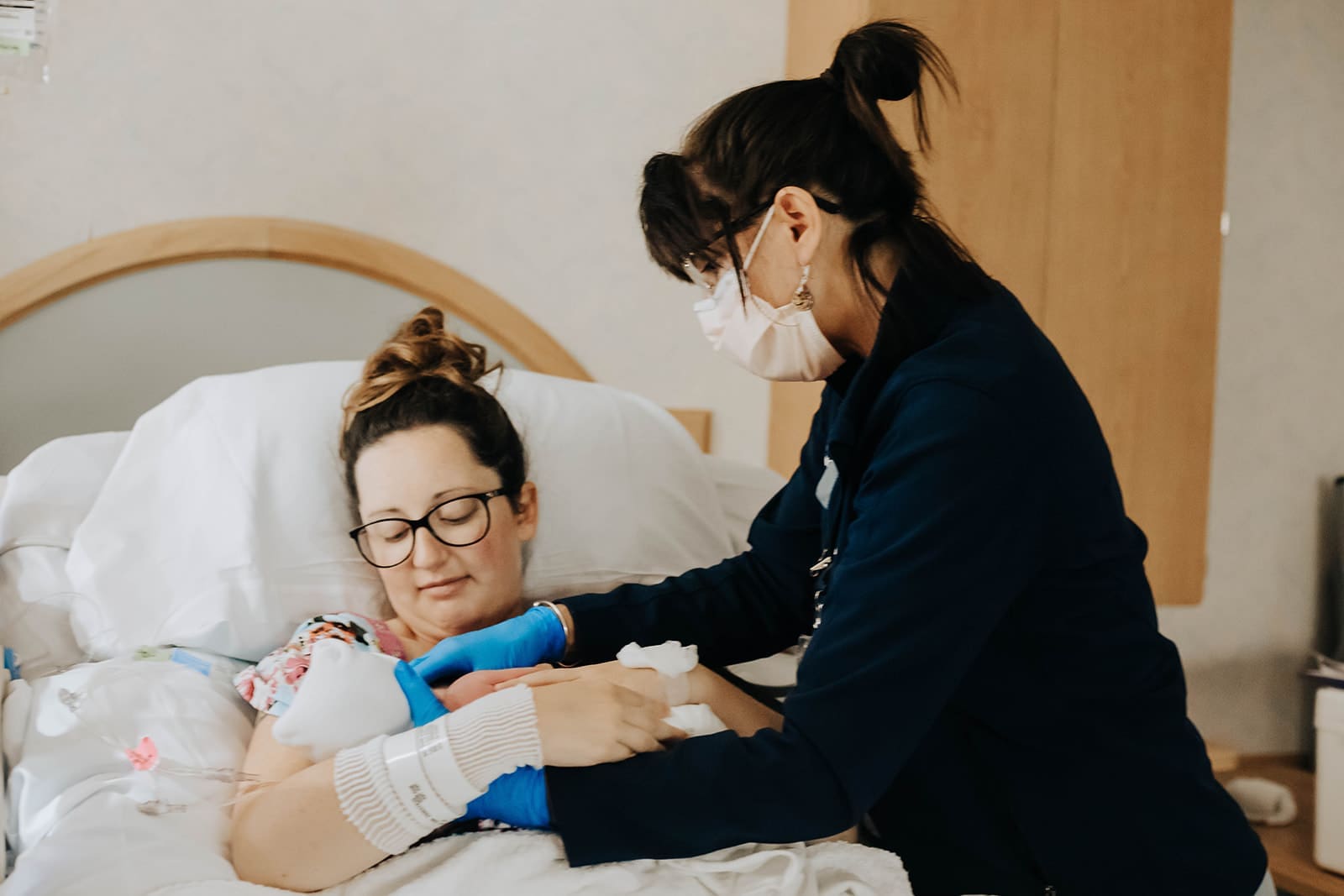
A postpartum doula can provide breastfeeding support, practical guidance, and emotional reassurance as you and your baby learn together. A support network can make a significant difference in improving breastfeeding success, maternal confidence, and postpartum well-being. Every feeding journey looks different, and mothers deserve compassionate support rather than unrealistic expectations. Remember, your postpartum well-being matters too. Feeding your baby should support both infant health and maternal wellness, not leave you physically or emotionally depleted.
Final Say: The Courage to Ask for Help
The fourth trimester is a season of healing, adjustment, and transformation. Childbirth changes your body in many ways, and healing is a gradual process. Permit yourself to slow down and have the courage to ask your partner, family, friends, doula, and community for help. Accept help when you need it and focus on healing instead of unrealistic expectations. Motherhood is not about perfection. It is about learning, recovering, and caring for yourself while nurturing your baby. You deserve compassionate postpartum support every step of the way.



PLEASE COMMENT BELOW