Contact
PHOTOGRAPHY
PREPARING FOR BIRTH
BLOG
SERVICES
About
HOME
read the blog
SERVING Nashville and surrounding areas

Cold Sore Virus Can Kill a Baby: What Parents Need to Know
Yes, the cold sore virus can kill a baby. As a Nashville certified doula, an important part of my role is helping families. My goal is to help them prepare not only for birth but also for the early days of caring for a newborn. Many new parents focus on feeding, sleep, and diaper changes during the newborn stage. However, parents also need to understand the risk of the cold sore virus to newborn babies. Learn how exposure to this cold sore virus can seriously affect a baby’s health in today’s article.
Cold Sore Virus Facts for Parents
Cold sores are small blisters that appear when the herpes simplex virus type 1 (HSV-1) becomes active. This virus commonly appears around the lips or mouth. For most adults, cold sores are uncomfortable but generally harmless. However, newborn babies have very immature immune systems. Because their bodies are still developing the ability to fight infections, viruses like HSV-1 can spread much more quickly and cause serious complications. When HSV-1 infects a newborn, it can lead to a condition called neonatal herpes, which may affect the skin, eyes, brain, or internal organs.
Because the cold sore virus can be dangerous to a newborn baby, early symptoms should be treated as a medical emergency. These symptoms may include fever, poor feeding, unusual sleepiness, or skin blisters. Early diagnosis and antiviral treatment are critical to protecting a baby’s health and improving survival outcomes. Parents should monitor their newborn and ensure that adults around know and understand the harmful effects of this case.
Why the Cold Sore Virus Can Be Dangerous for Babies?
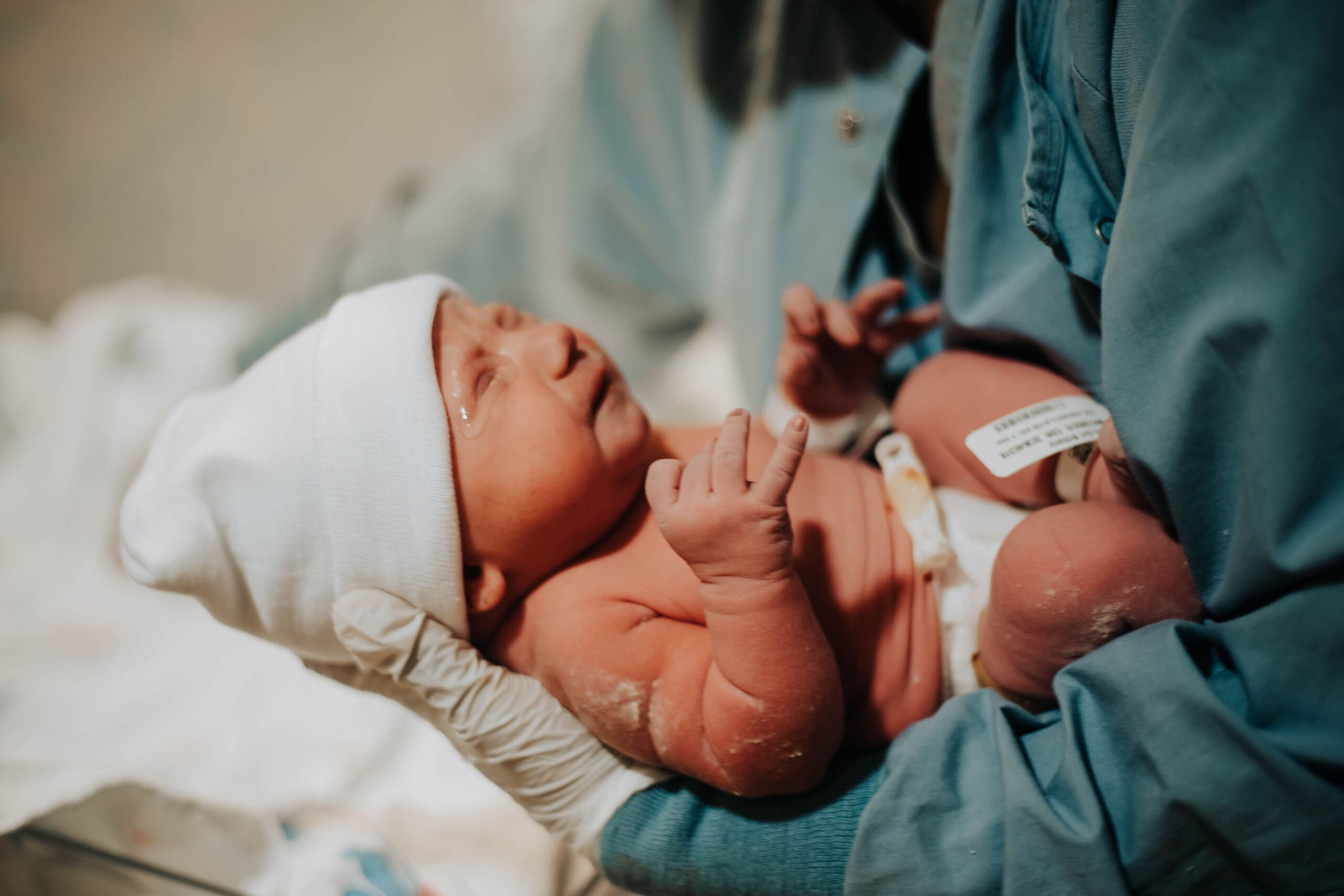
During the first few weeks of life, a baby’s immune defenses are still developing. This means infections that are mild for adults can become life-threatening for infants. While neonatal herpes is uncommon, it is serious enough that medical professionals strongly advise protecting newborns from exposure to cold sores.
If a newborn becomes infected with HSV-1, the virus can spread through the bloodstream and potentially cause:
- Brain inflammation
- Organ damage
- Severe infection throughout the body
- Long-term neurological complications
- In rare cases, death
How Babies Can Catch the Cold Sore Virus?
One of the most common ways newborns become infected is through direct contact with a person who has an active cold sore. HSV-1 is commonly transmitted through skin-to-skin contact or via saliva. This means a baby could be exposed if someone:
- Kisses the baby on the face or hands
- Touches a cold sore and then has direct contact with the baby.
- Shares utensils or objects that carry saliva
- Holds the baby very close to their mouth while the sore is active
Because newborns are often greeted with hugs and kisses from excited family members, it’s important to set clear boundaries to protect your baby’s health. You can set these boundaries respectfully and thoughtfully—helping loved ones understand that keeping your baby safe is the top priority.

Symptoms Parents Should Watch For
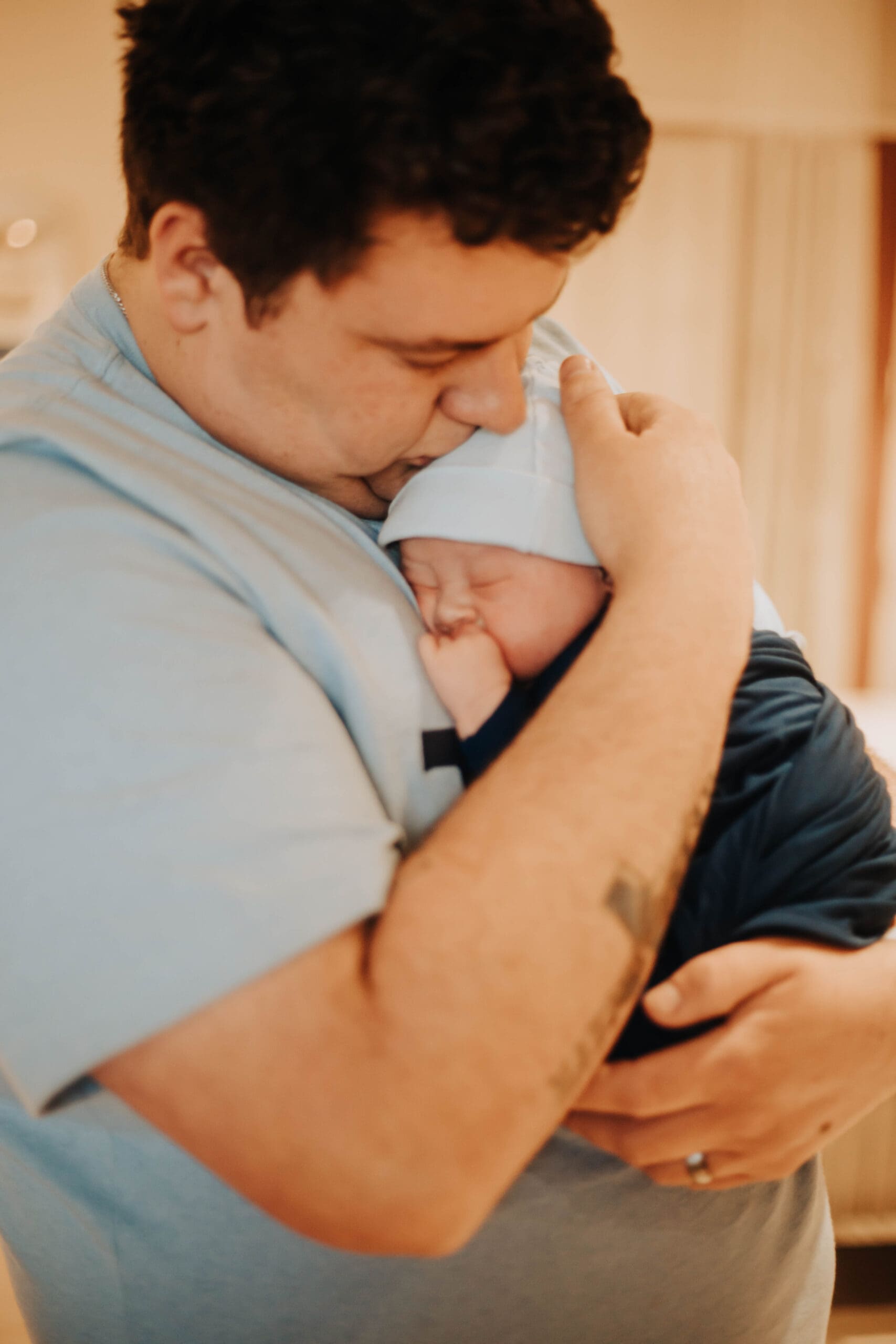
If a newborn is exposed to the cold sore virus, symptoms can appear within the first few weeks after birth. Early medical care is critical because antiviral treatments can significantly improve outcomes when given quickly. Parents should promptly consult a healthcare professional if their newborn shows symptoms such as:
- Fever or unusual body temperature
- Poor feeding
- Extreme sleepiness or lethargy
- Irritability
- Small blisters or rash on the skin
- Difficulty breathing
- Seizures
In some cases, neonatal herpes symptoms can be subtle at first, which is why parents should trust their instincts. If something doesn’t feel right with your baby, it’s always safer to have a healthcare professional evaluate them. Early treatment with antiviral medication can dramatically reduce the risk of severe illness.
A Doula’s Advice for Protecting Your Newborn
As a Nashville doula, I help families create a calm, safe environment for their baby’s arrival. This includes guiding parents on how to protect their babies from risks like HSV-1. Simple precautions can greatly reduce a baby’s exposure during those vulnerable early weeks. My goal is not to create fear but to empower parents with clear, evidence-based information so they can confidently protect their newborn’s health and focus on bonding, healing, and adjusting to life with their baby. Parents, take note of the following:
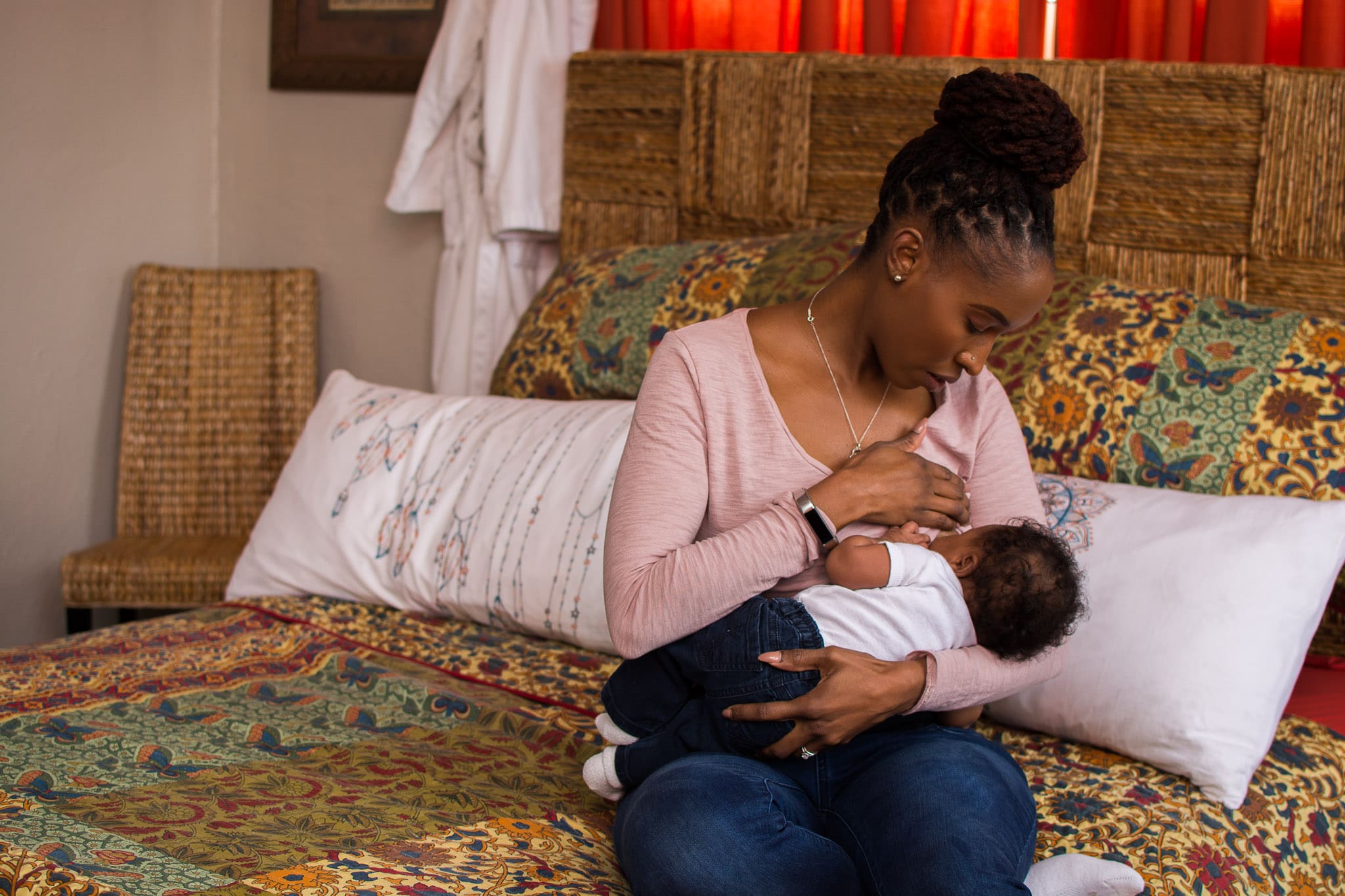
- Establish a No-Kissing Rule: Many families now have a “no kissing the baby” policy, especially during the newborn stage. This rule may feel awkward to enforce at first, but most friends and relatives understand that it protects the baby’s health.
- Ask Visitors to Stay Home If They Have a Cold Sore: Anyone with an active cold sore should avoid visiting or holding the baby until the sore has completely healed.
- Practice Good Hand Hygiene: Encourage everyone who holds the baby to wash their hands thoroughly beforehand.
- Limit Large Gatherings: During the first weeks after birth, keeping visits small and intentional can reduce the baby’s exposure to germs and viruses.
- Educate Family Members: Many people don’t know that cold sores can be dangerous for newborns. Sharing this information helps everyone work together to keep your baby safe.
As a certified doula supporting families and newborn health, I often remind parents that awareness is not about creating fear—it’s about empowering families with knowledge to protect their babies. The early weeks with your newborn should be focused on bonding, healing, and adjusting to life together. By knowing the symptoms of the cold sore virus in newborns, parents can act quickly and ensure their baby receives the care they need.


PLEASE COMMENT BELOW